


 Hindi
Hindi



उच्च उपलब्धता (HA) अब डेटा सेंटर की विलासिता नहीं बल्कि मानक आईटी लचीलापन योजना का एक मुख्य घटक है। छोटे व्यवसाय और एज साइटें पीओएस सिस्टम, निगरानी और साझा भंडारण के लिए NAS पर निर्भर करती हैं, जहां डाउनटाइम से सीधा वित्तीय नुकसान होता है। पारंपरिक डुअल-कंट्रोलर एंटरप्राइज ऐरे शाखा और एज परिनियोजन के लिए बड़े और महंगे होते हैं, जिससे अधिकांश छोटे आईटी वातावरण में डेटा सुरक्षा के लिए केवल स्नैपशॉट और बैकअप बचते हैं, जिसमें कोई वास्तविक व्यावसायिक निरंतरता नहीं होती है - सिंगल-कंट्रोलर NAS हार्डवेयर विफलता का एक महत्वपूर्ण एकल बिंदु बना रहता है।
QNAP लंबे समय से डुअल-कंट्रोलर हार्डवेयर और प्रतिकृति रिकवरी टूल पेश कर रहा है, लेकिन QuTS hero h6.0 का नया हाई अवेलेबिलिटी मैनेजर एक अधिक कुशल, लागत प्रभावी HA मॉडल प्रदान करता है। यह सॉफ्टवेयर दो समान कमोडिटी NAS इकाइयों को एक एकल साझा आईपी के तहत एक सक्रिय-निष्क्रिय क्लस्टर बनाने में सक्षम बनाता है, जिससे न्यूनतम क्लाइंट व्यवधान के साथ निर्बाध फेलओवर सक्षम होता है। यह संगठनों को दूसरे मानक NAS की लागत पर एंटरप्राइज-ग्रेड HA लागू करने की अनुमति देता है, जिससे महंगे विशेष बुनियादी ढांचे की आवश्यकता समाप्त हो जाती है।
वास्तविक दुनिया के प्रदर्शन को मान्य करने के लिए, हमने क्षमता के लिए सीगेट आयरनवुल्फ प्रो एचडीडी और कैशिंग के लिए QNAP E1.S एसएसडी के साथ कॉन्फ़िगर किए गए दोहरे QNAP TS-h765eU उपकरणों का उपयोग करके दो-नोड HA क्लस्टर बनाया। हमने सामान्य एज-साइट विफलताओं का अनुकरण किया: सक्रिय-नोड पावर लॉस और हार्टबीट लिंक बरकरार रहने के साथ अलग-थलग क्लाइंट नेटवर्क आउटेज, फ़ाइल स्थानांतरण उत्तरजीविता और विफलता के बाद रिकवरी व्यवहार का परीक्षण किया।
QNAP TS-h765eU हार्डवेयर अवलोकन
TS-h765eU एज और छोटे-शाखा HA परिनियोजन के लिए अनुकूलित है, जिसमें एक कॉम्पैक्ट 1U शॉर्ट-डेप्थ रैकमाउंट चेसिस (292.1 मिमी गहरा) है जो दीवार-माउंटेड रैक और कॉम्पैक्ट मीडिया कैबिनेट में फिट बैठता है जो पूर्ण-डेप्थ सर्वर के लिए अनुपयुक्त हैं। यह चार फ्रंट-फेसिंग 3.5-इंच SATA बे और तीन रियर E1.S/M.2 PCIe NVMe स्लॉट के माध्यम से उच्च-क्षमता वाले स्पिनिंग स्टोरेज और कम-विलंबता फ्लैश कैशिंग को संतुलित करता है। QNAP 2031 तक दीर्घकालिक हार्डवेयर उपलब्धता की गारंटी देता है, जो मानकीकृत मल्टी-साइट एज परिनियोजन के लिए आदर्श है।

क्वाड-कोर इंटेल एटम x7405C सीपीयू (3.4GHz तक) द्वारा संचालित, यह इकाई 8GB DDR5 इन-बैंड ईसीसी मेमोरी (16GB तक अपग्रेड करने योग्य) के साथ आती है। बेस नेटवर्किंग में डुअल 2.5GbE पोर्ट शामिल हैं, जिसमें एक बदली जाने योग्य E1.S मॉड्यूल के माध्यम से वैकल्पिक 10GbE कनेक्टिविटी है। सिस्टम ZFS-आधारित QuTS hero OS चलाता है, जो विश्वसनीयता और डेटा अखंडता के लिए विशेष रूप से बनाया गया है।
मुख्य विनिर्देश
सीपीयू:इंटेल एटम x7405C क्वाड-कोर, 3.4GHz अधिकतम
मेमोरी:8GB DDR5 (16GB अधिकतम, इन-बैंड ईसीसी)
ड्राइव बे:4 × 3.5-इंच SATA
फ्लैश स्लॉट:3 × E1.S / M.2 PCIe NVMe
नेटवर्किंग:2 × 2.5GbE; E1.S मॉड्यूल के माध्यम से वैकल्पिक 10GbE
फॉर्म फैक्टर:1U शॉर्ट-डेप्थ रैकमाउंट (292.1 मिमी)
ओएस:QuTS hero h6.0 (ZFS-आधारित)
जीवनचक्र समर्थन:2031 तक उपलब्धता की गारंटी
हमारे परीक्षण क्लस्टर कॉन्फ़िगरेशन में प्राथमिक भंडारण के लिए RAID 5 में चार 30TB सीगेट आयरनवुल्फ प्रो एचडीडी तैनात किए गए थे, जो कैशिंग के लिए RAID 0 में दो 3.84TB QNAP SSD700 E1.S एसएसडी के साथ जोड़े गए थे। दोनों नोड्स ने QuTS hero h6.0.0.3500 और HA मैनेजर 2.0.421 चलाया।
QuTS hero h6.0 HA मैनेजर आर्किटेक्चर
HA मैनेजर एक मानक सक्रिय-निष्क्रिय क्लस्टर डिज़ाइन अपनाता है। सक्रिय नोड सभी डेटा सेवाओं को संभालता है, जबकि निष्क्रिय नोड एक समर्पित प्रत्यक्ष हार्टबीट लिंक के माध्यम से ब्लॉक-स्तरीय डेटा को लगातार सिंक्रनाइज़ करता है और फेलओवर के लिए तैयार रहता है। क्लस्टर क्लाइंट को एक एकल एकीकृत आईपी और होस्टनाम प्रस्तुत करता है, जिससे नोड स्विचओवर के दौरान ड्राइव, iSCSI इनिशिएटर या बैकअप जॉब को फिर से कॉन्फ़िगर करने की आवश्यकता समाप्त हो जाती है।
समर्पित सर्वर-से-सर्वर हार्टबीट कनेक्शन क्लाइंट-फेसिंग नेटवर्क ट्रैफ़िक से अलग, स्वास्थ्य जांच और वास्तविक समय डेटा सिंक का प्रबंधन करता है। एक नेटवर्क-आधारित कोरम सर्वर स्प्लिट-ब्रेन परिदृश्यों को रोकने के लिए तीसरे पक्ष के गवाह के रूप में कार्य करता है, हार्टबीट कनेक्टिविटी खो जाने पर नोड प्रचार का मध्यस्थता करता है। QNAP रिपोर्ट करता है कि 90% से अधिक NAS सेवाएं HA ऑपरेशन का समर्थन करती हैं, जिसमें क्षमता स्केलिंग के लिए JBOD विस्तार उपलब्ध है।
मुख्य सीमाओं में HA क्लस्टर के भीतर अपरिवर्तनीय स्नैपशॉट समर्थन की कमी (एडमिन को HA और अपरिवर्तनीय स्नैपशॉट सुरक्षा के बीच चयन करने के लिए मजबूर करना) और क्लस्टर पेयरिंग के लिए पूरी तरह से समान नोड हार्डवेयर और फर्मवेयर की आवश्यकता शामिल है।
HA क्लस्टर परिनियोजन
क्लस्टर सेटअप दो स्टैंडअलोन, समान रूप से कॉन्फ़िगर किए गए TS-h765eU इकाइयों के लिए एक सुव्यवस्थित विज़ार्ड वर्कफ़्लो का उपयोग करता है। एडमिन हार्टबीट सिंक और क्लाइंट क्लस्टर ट्रैफ़िक के लिए समर्पित इंटरफेस असाइन करते हैं, फिर एक एकीकृत क्लस्टर होस्टनाम और आईपी को परिभाषित करते हैं। पांच-चरणीय स्वचालित क्लस्टर निर्माण लगभग 5.5 मिनट में पूरा हो जाता है, जिसमें पूर्ण क्लस्टर प्रावधान दस मिनट से कम समय में समाप्त हो जाता है।
बाद में सक्रिय और निष्क्रिय नोड्स के बीच प्रारंभिक ब्लॉक-स्तरीय डेटा सिंक में लगभग दस मिनट लगे, जिसमें 900MB/s-1.2GB/s की निरंतर हार्टबीट ट्रांसफर गति और माइक्रोसेकंड-स्केल विलंबता थी। डैशबोर्ड वास्तविक समय सिंक प्रगति, स्थिति अनुमान और सिंक्रनाइज़ेशन के दौरान स्विचओवर और फर्मवेयर अपडेट के लिए लॉकआउट सूचनाएं प्रदर्शित करता है। पूरा होने पर, डैशबोर्ड नोड स्थिति, संसाधन उपयोग और डेटा सिंक स्थिति का एक समेकित स्वास्थ्य दृश्य प्रदान करता है।
फेलओवर टेस्ट 1: सक्रिय नोड पावर लॉस
हमने सक्रिय नोड की पावर काटने से पहले क्लस्टर आईपी पर एक निरंतर 41.1GB मल्टी-फ़ाइल SMB ट्रांसफर शुरू किया। निष्क्रिय नोड पर फेलओवर के दौरान क्लाइंट ट्रांसफर लगभग 50 सेकंड तक रुका रहा, जिसमें कोई फ़ाइल त्रुटि या सत्र ड्रॉप नहीं हुआ। फेलओवर के बाद, क्लस्टर जीवित नोड पर पूरी गति से सामान्य रूप से संचालित हुआ।
पावर बहाली ने स्वचालित रीसिंक और फेलबैक को ट्रिगर किया। बहाल नोड ने दस मिनट में एक निष्क्रिय सदस्य के रूप में फिर से जोड़ा, चल रहे फ़ाइल स्थानांतरण को बाधित किए बिना खोए हुए डेटा को सिंक्रनाइज़ किया। अंतिम फेलबैक ने सक्रिय भूमिका के वापस आने से पहले 35-सेकंड का ठहराव प्रेरित किया, 100% सफल फ़ाइल स्थानांतरण और बहाल क्लस्टर स्वास्थ्य के साथ पूर्ण रिकवरी चक्र को पूरा किया।
फेलओवर टेस्ट 2: क्लाइंट नेटवर्क आउटेज (हार्टबीट बरकरार)
हमने प्रत्यक्ष हार्टबीट लिंक को बनाए रखते हुए सक्रिय नोड के क्लाइंट-फेसिंग नेटवर्क को डिस्कनेक्ट करके एक सामान्य वास्तविक दुनिया की खराबी का अनुकरण किया। नोड स्विचओवर के दौरान फ़ाइल स्थानांतरण 45 सेकंड तक रुका रहा और निर्बाध रूप से फिर से शुरू हुआ। HA डैशबोर्ड ने सटीक निदान प्रदान किया, सटीक दोषपूर्ण इंटरफ़ेस की पहचान की और कोरम सर्वर कनेक्टिविटी हानि की पुष्टि की, जो सामान्य सिस्टम अलर्ट की तुलना में कहीं अधिक दानेदार अंतर्दृष्टि प्रदान करता है।
नेटवर्क बहाली ने 30-सेकंड के क्लाइंट-साइड ठहराव के साथ स्वचालित फेलबैक को ट्रिगर किया। एकल SMB स्थानांतरण ने शून्य फ़ाइल विफलताओं या सत्र रुकावटों के साथ दो लगातार पूर्ण क्लस्टर स्विचओवर से बचा लिया, जिससे मजबूत वास्तविक दुनिया के लचीलेपन को मान्य किया गया।
स्प्लिट-ब्रेन रोकथाम और सर्वोत्तम-अभ्यास टोपोलॉजी
स्प्लिट-ब्रेन परिदृश्य - जहां दो स्वस्थ नोड इंटर-संचार खो देते हैं और स्वतंत्र रूप से सक्रिय स्थिति का दावा करते हैं - डेटा असंगति और भ्रष्टाचार का कारण बनते हैं। यह जोखिम साझा नेटवर्क बुनियादी ढांचे की विफलताओं से उत्पन्न होता है, न कि व्यक्तिगत नोड दोषों से, और इसे तीन मुख्य परिनियोजन नियमों के माध्यम से कम किया जाता है।
पहला, मध्यवर्ती स्विच या साझा बुनियादी ढांचे को विफलता बिंदुओं के रूप में समाप्त करने के लिए नोड्स के बीच एक प्रत्यक्ष केबल हार्टबीट कनेक्शन तैनात करें। दूसरा, कुल इंटर-नोड अलगाव का कारण बनने वाले एकल-स्विच आउटेज से बचने के लिए हार्टबीट और क्लाइंट क्लस्टर नेटवर्क पथों को भौतिक रूप से अलग करें। तीसरा, कनेक्टिविटी हानि के दौरान स्वतंत्र नोड स्थिति मध्यस्थता और टाई-ब्रेकिंग के लिए कोरम सर्वर गवाह को सक्षम करें।
QuTS hero में रक्षात्मक स्प्लिट-ब्रेन रिकवरी टूल शामिल हैं। आउटेज के बाद, सिस्टम विरोधाभासी लेखन को रोकने के लिए मुख्य सेवाओं को रोकता है और दो रिकवरी मोड प्रदान करता है: एक एकल मान्य नोड से पुनर्स्थापित करें (तेज रीसिंक) या क्लस्टर में फिर से शामिल होने से पहले मैन्युअल सुलह के लिए दोनों डेटासेट को संरक्षित करें। हालांकि ठीक किया जा सकता है, उचित टोपोलॉजी डिजाइन के माध्यम से स्प्लिट-ब्रेन घटनाओं से सबसे अच्छा बचा जाता है।
निगरानी और परिचालन उपयोगिता
HA मैनेजर क्लस्टर स्वास्थ्य, संसाधन मेट्रिक्स, इवेंट लॉग और सटीक फॉल्ट डायग्नोस्टिक्स के साथ मैन्युअल स्विचओवर नियंत्रण के लिए एक एकीकृत सिंगल-पेन डैशबोर्ड प्रदान करता है। स्थानीय NAS हार्डवेयर एलसीडी क्लस्टर स्थिति डिस्प्ले और भूमिका-विशिष्ट एलईडी संकेतक (हरा ठोस/ब्लिंक/लाल दोष) के माध्यम से ऑन-साइट दृश्यता को बढ़ाता है। मल्टी-साइट बेड़े के लिए, AMIZcloud HA क्लस्टर स्वास्थ्य, विलंबता ट्रैकिंग और एकीकृत अलर्टिंग के लिए केंद्रीकृत क्लाउड निगरानी प्रदान करता है।
निष्कर्ष
QNAP का HA मैनेजर एज और SMB वातावरण के लिए एंटरप्राइज-ग्रेड निरंतरता सफलतापूर्वक प्रदान करता है, जो केवल उप-मिनट क्लाइंट-साइड ठहराव और शून्य फ़ाइल हानि के साथ हार्ड पावर विफलताओं और नेटवर्क आउटेज से बचता है। क्लस्टर परिनियोजन तेज और उपयोगकर्ता के अनुकूल है, जिसमें पारदर्शी सिंक प्रगति और दानेदार फॉल्ट डायग्नोस्टिक्स हैं जो दिन-प्रतिदिन के प्रबंधन को सरल बनाते हैं।
समाधान में स्पष्ट ट्रेड-ऑफ हैं: डुअल-नोड हार्डवेयर कुल लागत बढ़ाता है, सामान्य ऑपरेशन के दौरान निष्क्रिय क्षमता निष्क्रिय रहती है, HA क्लस्टर अपरिवर्तनीय स्नैपशॉट कार्यक्षमता को बाहर करते हैं, और हार्डवेयर अपग्रेड के लिए युग्मित प्रतिस्थापन की आवश्यकता होती है। फिर भी, यह पारंपरिक बैकअप और मैन्युअल प्रतिकृति की तुलना में बेहतर लचीलापन प्रदान करता है, जो लंबे रिकवरी समय और मैन्युअल क्लाइंट पुनर्संरचना से ग्रस्त हैं।
उचित टोपोलॉजी डिजाइन (प्रत्यक्ष हार्टबीट लिंक, अलग नेटवर्क पथ, कोरम सर्वर सक्षम) एकमात्र महत्वपूर्ण विफलता मोड - स्प्लिट-ब्रेन को समाप्त करता है। कमजोर पोस्ट-फेलओवर रीसिंक चक्रों के दौरान, एंटरप्राइज-ग्रेड NAS ड्राइव जैसे तैनात सीगेट आयरनवुल्फ प्रो स्थिर, सुसंगत प्रदर्शन सुनिश्चित करते हैं। एज और छोटे-शाखा HA उपयोग के मामलों के लिए तैयार किया गया, TS-h765eU और QuTS hero h6.0 महंगे एंटरप्राइज डुअल-कंट्रोलर ऐरे द्वारा कम सेवा वाले वातावरण के लिए सही आकार, लागत प्रभावी व्यावसायिक निरंतरता प्रदान करते हैं।
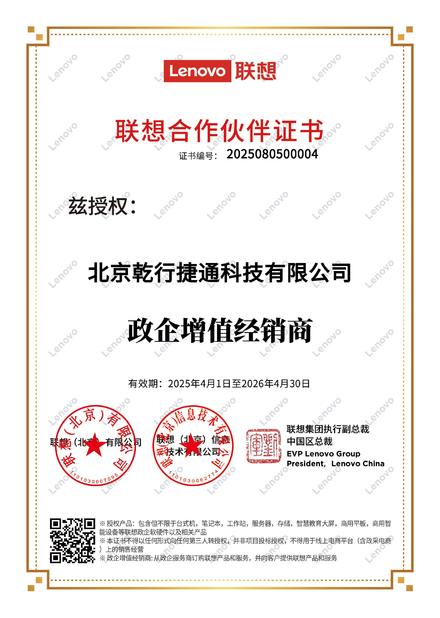
बीजिंग कियानक्सिंग जिएटोंग टेक्नोलॉजी कं, लिमिटेड
सैंडी यांग/ग्लोबल स्ट्रेटेजी डायरेक्टर
व्हाट्सएप / वीचैट: +86 13426366826
ईमेल: yangyd@qianxingdata.com
वेबसाइट: www.qianxingdata.com/www.storagesserver.com
व्यावसायिक फोकस:
आईसीटी उत्पाद वितरण/सिस्टम एकीकरण और सेवाएं/बुनियादी ढांचा समाधान
20+ वर्षों के आईटी वितरण अनुभव के साथ, हम विश्वसनीय उत्पाद और पेशेवर सेवाएं प्रदान करने के लिए अग्रणी वैश्विक ब्रांडों के साथ साझेदारी करते हैं।
“एक बुद्धिमान दुनिया बनाने के लिए प्रौद्योगिकी का उपयोग करना”आपका विश्वसनीय आईसीटी उत्पाद सेवा प्रदाता!
सैंडी यांग/ग्लोबल स्ट्रेटेजी डायरेक्टर
व्हाट्सएप / वीचैट: +86 13426366826
ईमेल: yangyd@qianxingdata.com
वेबसाइट: www.qianxingdata.com/www.storagesserver.com
व्यावसायिक फोकस:
आईसीटी उत्पाद वितरण/सिस्टम एकीकरण और सेवाएं/बुनियादी ढांचा समाधान
20+ वर्षों के आईटी वितरण अनुभव के साथ, हम विश्वसनीय उत्पाद और पेशेवर सेवाएं प्रदान करने के लिए अग्रणी वैश्विक ब्रांडों के साथ साझेदारी करते हैं।
“एक बुद्धिमान दुनिया बनाने के लिए प्रौद्योगिकी का उपयोग करना”आपका विश्वसनीय आईसीटी उत्पाद सेवा प्रदाता!